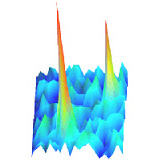
Keizer VIP, Coppola S, Houtsmuller AB, Geverts B, van Royen ME, Schmidt T, Schaaf MJM. Repetitive switching between DNA-binding modes enables target finding by the glucocorticoid receptor. J Cell Sci. 2019 Feb 25;132(5). pii: jcs217455.
[DOI] [pdf]
GR mobility: JCS 132, 2019
Posted in Publications
Leave a comment
hERG and cytoskeleton in PDAC: Cancer 23, 2019
Manoli S, Coppola S, Duranti C, Lulli M, Magni L, Kuppalu N, Nielsen N, Schmidt T, Schwab A, Becchetti A, Arcangeli A. The Activity of Kv 11.1 Potassium Channel Modulates F-Actin Organization During Cell Migration of Pancreatic Ductal Adenocarcinoma Cells. Cancers. 2019 Jan 23;11(2). pii: E135.
[DOI] [pdf]
Posted in Publications
Leave a comment
Olga landed a job with ASML –
Olga will now develop XUV-machines at ASML.

Posted in Member, News
Leave a comment
Force vs shape: Phys.Rev.Lett. 121, 2018
Pomp W, Schakenraad K, Balcıoğlu HE, van Hoorn H, Danen EHJ, Merks RMH, Schmidt T, Giomi L. Cytoskeletal Anisotropy Controls Geometry and Forces of Adherent Cells. Phys Rev Lett. 2018 Oct 26; 121(17):178101.
[DOI] [pdf]
Posted in Publications
Leave a comment
Julia joined the team –
 Julia joined the team for her PhD on mechanics in metastasis. Welcome!
Posted in Member, News
Leave a comment
Mechanopharmacology: DRU, 31, 2017
Coppola S, Carnevale I, Danen EHJ, Peters GJ, Schmidt T, Assaraf YG, Giovannetti E (2017) A mechanopharmacology approach to overcome chemoresistance in pancreatic cancer., Drug Resist. Updat., 31, 43-51.
[DOI] [pdf]
Pancreatic ductal adenocarcinoma (PDAC) is a highly chemoresistant malignancy. This chemoresistant phenotype has been historically associated with genetic factors. Major biomedical research efforts were concentrated that resulted in the identification of subtypes characterized by specific genetic lesions and gene expression signatures that suggest important biological differences. However, to date, these distinct differences could not be exploited for therapeutic interventions. Apart from these genetic factors, desmoplasia and tumor microenvironment have been recognized as key contributors to PDAC chemoresistance. However, while several strategies targeting tumor-stroma have been explored including drugs against members of the Hedgehog family, they failed to meet the expectations in the clinical setting. These unsatisfactory clinical results suggest that, an important link between genetics and the influence of tumor microenvironment on PDAC chemoresistance remains to be elucidated. In this respect, mechanobiology is an emerging multidisciplinary field that encompasses cell and developmental biology as well as biophysics and bioengineering. Herein we provide a comprehensive overview of the key players in pancreatic cancer chemoresistance from the perspective of mechanobiology, and discuss novel experimental avenues such as elastic micropillar arrays that could provide fresh insights for the development of mechanobiology-targeted therapeutic approaches (know as mechanopharmacology) to overcome anticancer drug resistance in pancreatic cancer.
Posted in Publications
Leave a comment
IL4 microdomains: Nat Comm, 8, 2017
Richter D, Moraga I, Winkelmann H, Birkholz O, Wilmes S, Schulte M, Kraich M, Kenneweg H, Beutel O, Selenschik P, Paterok D, Gavutis M, Schmidt T, Garcia KC, Müller TD, Piehler J (2017) Ligand-induced type II interleukin-4 receptor dimers are sustained by rapid re-association within plasma membrane microcompartments., Nat Commun, 8, 15976.
[DOI] [pdf]
Posted in Publications
Leave a comment
hERG1 channels in PDAC, Science Signaling, 10, 2017
Becchetti A, Crescioli S, Zanieri F, Petroni G, Mercatelli R, Coppola S, Gasparoli L, D’Amico M, Pillozzi S, Crociani O, Stefanini M, Fiore A, Carraresi L, Morello V, Manoli S, Brizzi MF, Ricci D, Rinaldi M, Masi A, Schmidt T, Quercioli F, Defilippi P, Arcangeli A. (2017) The conformational state of hERG1 channels determines integrin association, downstream signaling, and cancer progression., Science Signaling, 10, eaaf3236.
[DOI] [pdf]
Posted in Publications
Leave a comment